Skip to content
Likelier
Health · reviewed 2026-04-18

What are the odds of getting Lyme disease from a tick bite?

Evidence quality 4.75/5

Eight-dimension review score against the quality rubric . Each dimension scored 1–5.

D1 Source grounding
5/5
D2 Source authority
5/5
D3 Arithmetic
5/5
D4 Uncertainty
4/5
D5 Scope
5/5
D6 Prose
5/5
D7 Perception honesty
4/5
D8 Caveat completeness
5/5
Average 4.75/5
Direct evidence

Lifetime probability · lifetime, subgroup

1 in 4.0

25% lifetime chance

range 1 in 6.7 to 1 in 2.5

lifetime, subgroup each band = 10× rarer → zoomed to your factors See full scale →
certain 1 in 1K 1 in 1M 1 in 1B
1 in 1.3 1 in 200

● your factors — click this risk ▾ to reveal

≈ As likely as

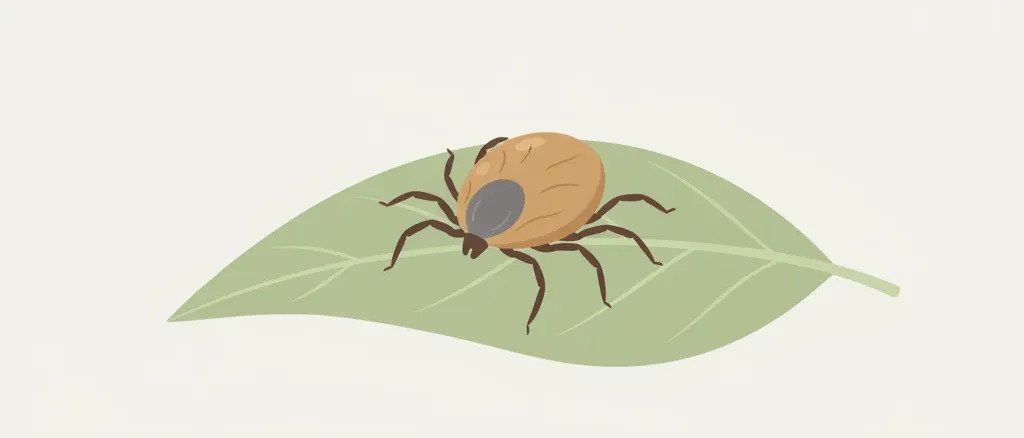
A single stylized deer tick on a pale leaf, flat vector illustration in muted earth tones.

Perceived

Lyme disease occupies a peculiar niche in risk perception: in the northeastern United States, it is a near-universal worry during tick season, with parents, hikers, and gardeners treating every embedded tick as a medical emergency. In non-endemic regions — the Mountain West, most of the South, the Pacific Northwest — the same tick bite barely registers. No rigorous national poll isolates "fear of Lyme disease from a single tick bite" as a standalone question, so the perceived estimate here is editorial intuition calibrated by regional conversation patterns rather than survey data.

Rough estimate: endemic-area residents often guess 30–50% per bite; non-endemic residents guess ~0%

Source: editorial intuition, not polled

Actual

~1.2–3.4% transmission rate per Ixodes scapularis bite (attachment <72 hrs, endemic area)

persons bitten by Ixodes scapularis (deer tick) in an endemic area of the northeastern/upper-midwestern US

Show derivation

CDC estimates ~476,000 new US Lyme infections per year (2024 revised estimate, up from the earlier 30,000 confirmed-case figure). US population ~335 million, but roughly 95% of cases concentrate in 15 northeastern and upper-midwestern states with a combined population of ~115 million. Annual per-capita hazard in the endemic footprint ≈ 476,000 × 0.95 / 115,000,000 ≈ 3.93 × 10⁻³. Compounded over 59 adult years: 1 - (1 - 0.00393)^59 ≈ 0.207. Adjusting upward slightly for outdoor-active adults (gardeners, hikers, dog walkers) who accumulate more tick encounters than sedentary residents gives a central estimate of ~0.25, or about 1 in 4 lifetime for a moderately active adult in an endemic state. The uncertainty band spans the sedentary endemic resident (~0.15) to the avid outdoors person in peak-incidence counties (~0.40).

Caveats: The normalized lifetime figure applies specifically to moderately active adults …

The normalized lifetime figure applies specifically to moderately active adults living in the 15-state endemic corridor (Connecticut to Minnesota). Outside that footprint, lifetime Lyme risk drops by roughly two orders of magnitude. The per-bite transmission rate depends critically on attachment duration: near-zero under 36 hours, rising steeply after 72 hours. Nymphal ticks (May–July) cause the majority of human infections because they are small enough to go unnoticed; adult ticks, being larger, are found and removed sooner. The 476,000/year CDC estimate includes clinically diagnosed cases that may not have confirmatory serology, so it is substantially higher than the ~30,000 confirmed cases reported through passive surveillance. Post-bite prophylactic doxycycline (single 200 mg dose within 72 hours) reduces transmission by ~87% per Nadelman et al. and is recommended by IDSA guidelines in endemic areas — but this entry does not constitute medical advice.

Regional breakdown

The headline figure averages across very different populations. Here’s how the probability varies by geography or context:

Region / context Lifetime probability Notes
Endemic northeast/upper-midwest US (per bite, attachment <72 hrs) 1 in 31 Nadelman et al. 2001 placebo arm: 3.2% per bite. Most recognized bites involve shorter attachment.
Endemic US (per bite, attachment >72 hrs / fully engorged) 1 in 5.0 Shapiro 2014: risk rises to 12–25% with prolonged attachment; 20% is a reasonable midpoint for >72 hrs.
Endemic US adult (lifetime, moderate outdoor activity) 1 in 4.0 CDC 476K cases/yr across ~115M endemic-region population, compounded over 59 years with outdoor-activity adjustment.
Non-endemic US (lifetime) 1 in 200 Remaining ~5% of US Lyme cases spread across ~220M people in non-endemic states; lifetime risk rounds to ~1 in 200.

Risks at similar odds

Other risks with roughly the same likelihood — useful for calibration.

Health

Tick illness (forest)

What are the odds of catching a tick-borne illness from walking in the forest?

Health

Unprotected sex

What are the odds of catching an STI from a single unprotected sexual encounter with a new partner?


Health

Vision loss

What are the odds of losing significant vision in a lifetime?

Health

Adventure sports

What are the odds of a serious injury from regular participation in surfing, mountain biking, or rock climbing?


Health

Alcohol use disorder

What are the odds of developing alcohol use disorder over a lifetime?

Health

Alzheimer's

What are the odds of dying from Alzheimer's disease or other dementia?

Health

Drug-resistant infection

What is the risk of developing a serious antibiotic-resistant infection?

Health

No marrow match

What are the odds of not finding a bone marrow donor match?

Compare to:

Lyme disease is the most common vector-borne illness in the United States, with the CDC estimating roughly 476,000 new infections per year — a figure that dwarfs the ~30,000 confirmed cases reported through traditional surveillance. The per-bite transmission rate from an infected Ixodes scapularis (deer tick) runs about 1–3% when the tick is found and removed within 72 hours, but climbs to 20–25% if the tick feeds to engorgement. The critical variable is attachment duration: transmission is effectively zero under 36 hours, because the Borrelia burgdorferi spirochete needs time to migrate from the tick’s midgut to its salivary glands. For a moderately active adult living in the 15-state endemic corridor stretching from Virginia to Maine and west to Minnesota, the compounded lifetime probability of contracting Lyme at least once is roughly 1 in 4.

The perception gap runs in opposite directions depending on geography. In endemic counties (Dutchess County, New York; Windham County, Connecticut; much of Wisconsin), residents tend to calibrate their worry reasonably well, sometimes slightly high per individual bite but roughly right over a lifetime of outdoor exposure. In non-endemic states, tick-borne disease barely registers as a concern, which is also roughly correct: only about 5% of US Lyme cases originate outside the 15-state core. The entry is tagged calibrated rather than overrated or underrated because the national average hides two populations whose intuitions point in opposite directions and both are, within an order of magnitude, justified.

The number is highly modifiable. Prompt daily tick checks after outdoor activity reduce per-bite risk to near-zero by keeping attachment under 36 hours. A single 200 mg dose of doxycycline within 72 hours of a recognized bite reduced erythema migrans incidence by 87% in the Nadelman et al. trial. Conversely, outdoor workers in forestry, landscaping, and agriculture in endemic states face roughly triple the baseline encounter rate. The lifetime figure of 1 in 4 is a population average for endemic-region adults with moderate outdoor habits; it is not a personal forecast, and individual behavior shifts it substantially in either direction.

Claim ledger

Every number below is what each source reported, with the verbatim quote we relied on and how we arrived at our figure. Click any link to verify directly.

  1. [1] US Centers for Disease Control and Prevention (CDC) — Lyme Disease: Data and Statistics
    Lyme Disease: Data and Statistics

    See all 2 Likelier entries citing this source →

    Statistic
    CDC estimates approximately 476,000 people are diagnosed and treated for Lyme disease each year in the United States.
    Excerpt
    “"CDC estimates that approximately 476,000 people may get Lyme disease each year in the United States. This estimate was derived using methods including insurance claims data, clinical laboratory data, and self-reported physician-diagnosed cases." ”
    Source data from
    2024-03-11
    Accessed
    2026-04-18 · archived copy
    Calculation
    The 476,000/year estimate is the population-level anchor. Divided across the endemic-region population of ~115 million (the 15 states that account for ~95% of confirmed cases), the annual per-capita hazard is ~3.93 × 10⁻³. Compounded over 59 adult years: 1 - (1 - 0.00393)^59 ≈ 0.207. With a modest upward adjustment for moderate outdoor activity, the central lifetime estimate is ~0.25.
  2. [2] New England Journal of Medicine — Prophylaxis with Single-Dose Doxycycline for the Prevention of Lyme Disease after an Ixodes scapularis Tick Bite
    Prophylaxis with Single-Dose Doxycycline for the Prevention of Lyme Disease after an Ixodes scapularis Tick Bite
    Statistic
    3.2% of placebo recipients developed erythema migrans after an Ixodes scapularis bite in a Lyme-endemic area; 0.4% of doxycycline recipients developed it.
    Excerpt
    “"Erythema migrans developed at the site of the tick bite in 8 of 235 subjects who received placebo (3.2 percent) and in 1 of 247 subjects who received doxycycline (0.4 percent, P=0.04)." ”
    Source data from
    2001-07-12
    Accessed
    2026-04-18 · archived copy
    Calculation
    Nadelman et al. 2001 provides the per-bite baseline: 3.2% of placebo recipients (no prophylaxis) developed erythema migrans in an endemic area. This is the per-bite transmission rate used as the native figure. The doxycycline arm (0.4%) informs the prophylactic-doxycycline personal factor multiplier (~0.13×). Subjects had to present within 72 hours of tick removal, so this rate reflects bites with attachment duration up to ~72 hours, biased toward shorter attachments since people who find ticks quickly are over-represented.
    Independence
    RCT conducted in Westchester County, NY — independent clinical trial data, not derived from CDC surveillance.
  3. [3] New England Journal of Medicine — Lyme Disease
    Lyme Disease
    Statistic
    The overall probability of developing Lyme disease after a recognized tick bite in an endemic area is approximately 1–3%; with prolonged attachment (>72 hours), the risk rises to roughly 20–25%.
    Excerpt
    “"The overall risk of Lyme disease after a recognized deer tick bite in endemic regions is only 1 to 3 percent. The risk is essentially zero if the tick is attached for less than 36 hours, rises to approximately 12 percent with attachment of 72 hours, and may be as high as 25 percent if the tick is fully engorged." ”
    Source data from
    2014-10-16
    Accessed
    2026-04-18
    Calculation
    Shapiro 2014 NEJM review provides the attachment-duration curve: ~0% at <36 hrs, ~12% at 72 hrs, up to ~25% when the tick is fully engorged (roughly 96+ hrs). This underpins the regional_breakdown rows stratified by attachment duration and the personal_factor_multiplier for prompt tick removal vs prolonged attachment.
    Independence
    Narrative review synthesizing multiple clinical studies — independent secondary analysis, not derived from CDC surveillance data.

412 risks with measured probability
1 in 10 1 in 100 1 in 1K 1 in 10K 1 in 100K 1 in 1M 1 in 10M 1 in 100M 1 in 1B certain rarer → Cosmetic surgery abroad risk — 1 in 10 Infant sugar/salt and adult disease — 1 in 10 Endometriosis — 1 in 10 Hair transplant Turkey risk — 1 in 10 Knee replacement — 1 in 10 Chronic painkillers — 1 in 10 Elderly abandonment — 1 in 9.1 Complete tooth loss — 1 in 9.1 Alzheimer's — 1 in 8.3 Sleep deprivation — 1 in 8.3 Smokeless tobacco — 1 in 8.3 Cycling w/o helmet — 1 in 8.0 Bruxism tooth damage — 1 in 7.7 Vision loss — 1 in 6.7 Hernia from lifting — 1 in 6.7 Hip fracture risk — 1 in 6.7 Regular drinking — 1 in 6.7 First heart attack — 1 in 5.9 Infertility — 1 in 5.7 5+ years paid LTC — 1 in 5.6 CTE (football) — 1 in 5.0 Major depression — 1 in 4.9 Hiking injury — 1 in 4.8 Infection from sharing food with child — 1 in 4.2 Lyme disease — 1 in 4.0 Loneliness & health — 1 in 3.8 Job loss & depression — 1 in 3.7 Inheriting AUD risk — 1 in 3.5 Alcohol use disorder — 1 in 3.4 Menopause CV risk acceleration — 1 in 3.0 Silent diabetes — 1 in 3.0 Flying with cold — 1 in 2.9 Tick illness (forest) — 1 in 2.9 Silent high cholesterol — 1 in 2.9 Grandparent loss in childhood — 1 in 2.8 Pacifier floor drop — 1 in 2.8 Drug-resistant infection — 1 in 2.6 No marrow match — 1 in 2.4 Nursing home admission — 1 in 2.2 Skipping dental checkups — 1 in 2.1 False-positive mammogram — 1 in 2.0 Regular smoking — 1 in 2.0 Travelers' diarrhea — 1 in 2.0 Adventure sports — 1 in 1.8 Family caregiver probability — 1 in 1.8 LTC need after 65 — 1 in 1.8 Widowhood probability — 1 in 1.7 Unprotected sex — 1 in 1.5 Silent hypertension — 1 in 1.3 Chronic back pain — 1 in 1.3 Hand hygiene — 1 in 1.0 Cancer (any) — 1 in 7.1 E-scooter no helmet — 1 in 4.5 E-bike no helmet — 1 in 4.0 Mishandled luggage — 1 in 3.7 Deer collision — 1 in 2.7 At-fault injury crash — 1 in 2.5 Flight cancellation — 1 in 1.8 Trip disruption: war or disaster — 1 in 1.7 Home burglary (global) — 1 in 9.1 Hitchhiking assault — 1 in 8.8 Mail check fraud — 1 in 7.7 Child sexual abuse — 1 in 6.8 Stalking — 1 in 6.2 Student sexual assault — 1 in 5.7 Domestic violence — 1 in 3.7 Night walk assault — 1 in 3.6 Bicycle theft — 1 in 2.9 Sexual assault — 1 in 2.9 Home burglary — 1 in 2.6 Sexual harassment (lifetime) — 1 in 1.6 Water scarcity — 1 in 2.5 Carrington-class solar storm — 1 in 1.9 WAIS tipping point — 1 in 1.1 Indoor cat escape harm — 1 in 10 Off-leash dog bite — 1 in 8.9 Rabbit dies in 4 years — 1 in 3.3 Dog bite (non-fatal) — 1 in 1.8 Hamster dies before teenager — 1 in 1.0 Vitamin D gap — 1 in 2.9 Undercooked food — 1 in 1.6 Raw meat cross-contamination — 1 in 1.4 Food left out — 1 in 1.2 AI voice scam — 1 in 2.9 Online scam loss — 1 in 2.5 Teen cyberbullying — 1 in 2.0 Kids & explicit content — 1 in 1.9 Data breach — 1 in 1.1 Miscarriage — 1 in 6.7 Teen suicide attempt — 1 in 5.6 Postpartum depression — 1 in 4.8 Painkiller before infant vaccination — 1 in 3.8 Excessive pregnancy weight — 1 in 2.6 Unvaxxed child & measles — 1 in 2.0 Elder fraud loss — 1 in 10 Pension fund collapse — 1 in 10 Personal bankruptcy — 1 in 10 Housing crash — 1 in 8.3 Crypto total loss — 1 in 6.7 IRS audit — 1 in 6.7 Visa overstay deportation — 1 in 5.6 Long term disability working age — 1 in 4.0 Student loan default — 1 in 3.8 Whistleblower retaliation — 1 in 3.2 Career obsolescence — 1 in 2.9 Forced job exit before retirement — 1 in 2.9 Retirement shortfall — 1 in 2.6 Divorce — 1 in 2.4 Burst pipe damage — 1 in 2.2 Workplace bullying — 1 in 2.1 Deportation (undocumented) — 1 in 1.8 Funeral cost shock — 1 in 1.8 Identity theft — 1 in 1.7 Credit card fraud — 1 in 1.5 School bullying — 1 in 1.5 Insurance claim denial — 1 in 1.4 Frontline soldier casualty — 1 in 1.3 Economic recession — 1 in 1.0 Stock market crash — 1 in 1.0 Hail roof damage — 1 in 3.0 Dry toilet paper harm — 1 in 100 Secondhand smoke — 1 in 91 Gaming disorder (adults) — 1 in 83 High-heel ER visit — 1 in 79 Child throwing object — 1 in 67 Medication reaction — 1 in 58 Cat litter toxoplasmosis — 1 in 48 Mental health LTD claim — 1 in 45 Drug overdose — 1 in 42 Benzo dependence — 1 in 40 Tap water lead — 1 in 40 Medication misuse — 1 in 35 Traumatic brain injury — 1 in 33 Hospital infection — 1 in 31 Air pollution — 1 in 29 End-stage kidney disease — 1 in 29 Traveler's diarrhea (water) — 1 in 26 Skiing injury — 1 in 26 Bipolar disorder — 1 in 23 Dental tourism complication — 1 in 20 Pet parasites — 1 in 20 Undiagnosed ADHD — 1 in 20 Adult-onset food allergy — 1 in 19 Indoor cooking smoke — 1 in 18 Non-Alzheimer's dementia — 1 in 17 Working-age disabling stroke — 1 in 17 Cannabis use disorder — 1 in 16 Stroke — 1 in 15 Parent death/disability — 1 in 14 Severe hearing loss — 1 in 14 Type 2 diabetes — 1 in 13 Appendicitis — 1 in 13 Untreated depression — 1 in 13 Untreated back pain disability — 1 in 13 Heart disease — 1 in 12 Medical error death — 1 in 12 Compulsive sexual behavior — 1 in 12 Eating disorder — 1 in 11 Hip replacement — 1 in 11 Kidney stones — 1 in 11 Sedentary lifestyle — 1 in 11 Salon infection — 1 in 11 Ovarian cancer — 1 in 91 Colorectal cancer — 1 in 77 Breast cancer — 1 in 59 Liver cancer — 1 in 59 Lung cancer — 1 in 56 Prostate cancer — 1 in 50 Melanoma (UV) — 1 in 29 Low-fiber CRC risk — 1 in 23 Red meat & CRC — 1 in 21 Charred meat & cancer — 1 in 20 Maintenance crash — 1 in 83 Driving on sedating meds — 1 in 77 Texting + driving — 1 in 56 Driving after cannabis — 1 in 53 Eating while driving — 1 in 53 Unbelted crash death — 1 in 53 Speeding 20% over limit — 1 in 48 Motorcycle no helmet — 1 in 45 Spaceflight (astronaut) — 1 in 42 Video watching + driving — 1 in 32 Drowsy driving — 1 in 26 E-scooter injury — 1 in 26 Cruise ship norovirus — 1 in 24 Driving at 0.10% BAC — 1 in 16 Catalytic converter theft — 1 in 83 Pickpocketed while traveling — 1 in 38 Stabbed in an assault — 1 in 37 Vehicle theft — 1 in 34 Street robbery / mugging — 1 in 26 Wrongful conviction — 1 in 24 Drink spiking — 1 in 17 Protest under autocracy — 1 in 12 AMOC collapse — 1 in 20 Sting anaphylaxis — 1 in 50 Cat collar injury — 1 in 25 Fish bone injury — 1 in 68 Restaurant food poisoning — 1 in 58 Vegetarian deficiency — 1 in 25 Intimate deepfake — 1 in 25 Social media problematic use — 1 in 13 Infant fall — 1 in 100 Childbirth death (SSA) — 1 in 55 Co-sleeping death — 1 in 43 Toddler stair fall — 1 in 37 Play swing & slide injury — 1 in 33 Autism diagnosis — 1 in 31 C-section complications — 1 in 29 Toy injury requiring ER (child) — 1 in 21 Preeclampsia — 1 in 20 Severe birth tearing — 1 in 17 Gestational diabetes — 1 in 13 Child fall head injury — 1 in 12 Sports betting financial ruin — 1 in 100 Fighter pilot death — 1 in 48 Commercial fishing career death — 1 in 45 Logging career death — 1 in 34 Dying without heir — 1 in 33 Medical bankruptcy — 1 in 25 Compulsive buying disorder — 1 in 20 Rental listing scam loss — 1 in 20 Mortgage foreclosure — 1 in 14 Musculoskeletal LTD claim — 1 in 14 Day-trading losses — 1 in 13 Extremist govt catastrophe — 1 in 13 Hurricane home destruction — 1 in 17 LASIK complications — 1 in 1,000 Infant pool submersion — 1 in 800 MS — 1 in 769 Workplace fatality — 1 in 690 Typhoid fever — 1 in 654 Unsafe imported products — 1 in 565 Brain aneurysm — 1 in 400 COVID-19 — 1 in 400 Fireworks injury — 1 in 385 Sickle cell disease — 1 in 365 Counterfeit medicine — 1 in 361 Spinal cord injury — 1 in 313 Childhood cancer diagnosis — 1 in 285 Next pandemic death — 1 in 208 Dengue (travel) — 1 in 200 Skipping daily showers — 1 in 200 Not scrubbing feet — 1 in 200 Marrow donation risk — 1 in 167 Schizophrenia — 1 in 143 Accidental fall — 1 in 135 Parkinson's — 1 in 125 Sudden death during exercise — 1 in 123 Suicide (US) — 1 in 121 Opioid addiction — 1 in 114 Tuberculosis (global) — 1 in 108 Radon cancer — 1 in 435 Testicular cancer — 1 in 250 Cervical cancer — 1 in 167 Pancreatic cancer — 1 in 125 Pedestrian death — 1 in 806 Motorcycle crash — 1 in 694 Boating drowning — 1 in 685 Driver kills pedestrian — 1 in 552 Phone-distracted walking injury — 1 in 400 EV battery fire — 1 in 333 Cyclist killed by car — 1 in 196 Hand-held phone call + driving — 1 in 143 Petrol car fire — 1 in 125 Self-driving car fatality — 1 in 115 Car crash — 1 in 105 Firefighter duty death — 1 in 455 Police duty death — 1 in 313 Homicide — 1 in 287 Pig-butchering scam — 1 in 106 Extreme heat — 1 in 333 Climate change death — 1 in 204 Swallowed bee/wasp — 1 in 500 Bat bite & rabies — 1 in 238 Mosquito-borne disease — 1 in 190 Food poisoning (global) — 1 in 317 Solar panel fire — 1 in 667 Untreated childhood scoliosis — 1 in 1,000 Child window fall — 1 in 855 Walker stair fall — 1 in 625 Baby walker injury — 1 in 455 Maternal mortality — 1 in 272 Untreated childhood flat feet — 1 in 250 Maternal age & birth defects — 1 in 200 Child death (<18) — 1 in 143 Caving career death — 1 in 167 EMS duty death — 1 in 794 Civilian war casualty — 1 in 499 Soldier in combat — 1 in 270 Mining career death — 1 in 214 Gambling financial ruin — 1 in 159 Wildfire home destruction — 1 in 120 Lightning home fire — 1 in 105 Malaria (travel) — 1 in 10,000 Infection from shared drink — 1 in 10,000 Chagas disease — 1 in 8,475 Wild berry fox tapeworm — 1 in 8,475 Schistosomiasis death — 1 in 6,667 Sudden death (young adult) — 1 in 3,922 Unsafe wiring — 1 in 3,390 Sepsis from wound — 1 in 2,857 Anesthesia awareness — 1 in 2,500 Heat stroke (outdoor) — 1 in 1,905 House fire — 1 in 1,818 Rabies from dogs — 1 in 1,449 Drowning — 1 in 1,379 Shallow-water diving SCI — 1 in 1,111 Choking — 1 in 1,099 EVALI vaping hospitalization — 1 in 1,064 Betel nut cancer — 1 in 1,290 Blood clot (flight) — 1 in 4,651 Killing a cyclist — 1 in 3,937 Teen road-crash death — 1 in 3,030 Child rear bike seat — 1 in 2,500 Child without restraint — 1 in 2,000 Fatal police encounter — 1 in 4,739 Honor killing — 1 in 2,381 Intimate-partner homicide — 1 in 1,767 Hurricane — 1 in 8,929 Drought famine death — 1 in 6,536 Blizzard death — 1 in 4,367 Earthquake — 1 in 3,802 Dog chocolate death — 1 in 2,000 Food poisoning (US) — 1 in 1,862 Fish mercury — 1 in 1,695 Phone/laptop battery fire — 1 in 1,136 SIDS — 1 in 7,143 Laundry pod ingestion — 1 in 6,494 Untreated infant hip dysplasia — 1 in 5,000 Pool drowning — 1 in 2,299 War (civilian) — 1 in 2,000 Fatal bee/wasp sting — 1 in 76,923 Anesthesia death — 1 in 50,000 Dog hot car death — 1 in 41,667 Anaphylaxis — 1 in 27,548 Chiropractic neck manipulation — 1 in 16,667 CO poisoning — 1 in 14,006 Hepatitis A (travel) — 1 in 12,500 Skipping allergy immunotherapy — 1 in 11,111 Acrylamide & cancer — 1 in 16,667 Bus crash — 1 in 100,000 Plane crash — 1 in 58,824 Child pedestrian (residential) — 1 in 45,455 Railroad crossing death — 1 in 20,704 Child bike trailer — 1 in 14,286 Acid attack — 1 in 89,286 Terrorism — 1 in 77,519 Child stranger abduction — 1 in 38,760 Stranger kidnapping — 1 in 35,211 Dowry death — 1 in 13,158 Accidental gun death — 1 in 11,299 Wildfire — 1 in 100,000 Tornado — 1 in 80,645 Tsunami — 1 in 52,632 Ocean drowning — 1 in 29,155 Flood — 1 in 20,202 Landslide death — 1 in 18,416 Supervolcano eruption — 1 in 12,376 Crocodile attack — 1 in 84,746 Bee sting — 1 in 78,927 Fatal scorpion sting — 1 in 26,110 Plastic container leaching — 1 in 16,949 Infant in car seat — 1 in 64,935 Bouncer chair fall — 1 in 60,606 Toddler choking — 1 in 50,000 Unsupervised infant choking — 1 in 50,000 Magnet ingestion — 1 in 12,048 Snorkeling death — 1 in 21,739 Pet in transport — 1 in 20,000 Landmine or UXO injury — 1 in 14,728 Vaccine reaction — 1 in 763,359 Aluminum & Alzheimer's — 1 in 169,492 Residential gas leak — 1 in 140,845 Child hot car death — 1 in 102,041 Glyphosate & cancer — 1 in 1,000,000 Teflon cookware cancer — 1 in 169,492 Roller coaster injury — 1 in 312,500 Cruise ship accident — 1 in 188,679 Ferry sinking — 1 in 133,333 Turbulence injury — 1 in 114,943 School shooting — 1 in 192,308 Mass shooting — 1 in 113,636 Nuclear accident — 1 in 833,333 Avalanche — 1 in 210,526 Lightning — 1 in 209,205 Snake bite — 1 in 884,956 Spider bite — 1 in 833,333 Hippo attack — 1 in 564,972 Dog bite — 1 in 142,045 Pesticide residue — 1 in 1,000,000 Dirty can illness — 1 in 200,000 PLA bioplastic harm — 1 in 169,492 Charger left plugged in — 1 in 200,000 Infant swing death — 1 in 714,286 Child blind cord strangulation — 1 in 416,667 Child plastic bag suffocation — 1 in 263,158 Button battery — 1 in 250,000 Inclined sleeper death — 1 in 238,095 Elevator/escalator death — 1 in 188,324 Japanese encephalitis (travel) — 1 in 2,000,000 Kid + front airbag — 1 in 10,000,000 Asteroid impact — 1 in 1,351,351 Banana spider eggs — 1 in 10,000,000 Shark attack — 1 in 5,681,818 Bear attack — 1 in 3,787,879 Wild berry poisoning — 1 in 2,222,222 Space debris hits property — 1 in 10,000,000 Piranha attack — 1 in 135,135,135 Phone at gas pump — 1 in 1,000,000,000 Phone on plane — 1 in 1,000,000,000 Alien contact — 1 in 169,491,525
Lottery jackpot 1 in 95,238