Skip to content
Likelier
Kids · reviewed 2026-04-19

What are the odds of dying in childbirth in Sub-Saharan Africa?

Evidence quality 4.75/5

Eight-dimension review score against the quality rubric . Each dimension scored 1–5.

D1 Source grounding
5/5
D2 Source authority
5/5
D3 Arithmetic
5/5
D4 Uncertainty
4/5
D5 Scope
5/5
D6 Prose
5/5
D7 Perception honesty
4/5
D8 Caveat completeness
5/5
Average 4.75/5
Direct evidence

Lifetime probability · lifetime, subgroup

1 in 55

1.8% lifetime chance

Most people underestimate this.

range 1 in 83 to 1 in 40

lifetime, subgroup each band = 10× rarer → zoomed to your factors See full scale →
certain 1 in 1K 1 in 1M 1 in 1B
1 in 28 1 in 110

● your factors — click this risk ▾ to reveal

≈ As likely as

A single geometric doorway shape in muted earth tones casting a long shadow, flat vector illustration.

Perceived

Maternal mortality in Sub-Saharan Africa occupies a strange perceptual gap. Readers in wealthy countries know abstractly that "childbirth is dangerous in poor countries" but tend to anchor on their own national experience — a maternal mortality ratio of 5-10 per 100,000 live births — and assume the developing-world figure is perhaps 5-10 times higher. The actual ratio is 30-50 times higher. Women in the region itself carry a more calibrated fear, because most have direct experience of maternal death in their families or communities, but the lifetime framing (as opposed to per-birth framing) is rarely discussed even there. No cross-national survey cleanly isolates "fear of dying in childbirth" as a standalone question, so the perceived side is editorial intuition.

Rough estimate: Wealthy-country readers guess 'much worse than here' without grasping the 1-in-55 lifetime scale; women in SSA know the risk is real from direct experience

Source: editorial intuition, not polled

Actual

~540 maternal deaths per 100,000 live births (Sub-Saharan Africa, 2023)

Women giving birth in Sub-Saharan Africa (WHO/UNICEF/UNFPA/World Bank MMEIG, 2023)

Show derivation

The normalized figure uses the WHO/UNICEF/UNFPA/World Bank MMEIG standard indicator: the probability that a 15-year-old girl will eventually die from a maternal cause, assuming current fertility and mortality levels persist. For Sub-Saharan Africa in 2023, the World Bank SH.MMR.RISK series reports this as 1 in 55, or approximately 0.01818. This compounds the per-live-birth maternal mortality ratio (~540 per 100,000 in SSA in 2023) across the region's total fertility rate (~4.5 births per woman) and accounts for competing causes of death. The scope is subgroup_lifetime because this is a region- and sex-specific figure, not a general US-adult probability. The uncertainty band (0.012–0.025) brackets the range between SSA countries with relatively lower MMRs (e.g., South Africa ~80, Kenya ~355) and the worst-affected countries (Chad, South Sudan, Central African Republic, where the lifetime risk approaches 1 in 24). The 2021 MMEIG estimate was materially higher (~1 in 40 for SSA) reflecting the COVID-era spike in maternal mortality; the 2023 figure represents partial recovery toward the pre-pandemic trend.

Caveats: The 1-in-55 figure is a regional average across 46 countries with enormous inter…

The 1-in-55 figure is a regional average across 46 countries with enormous internal variation — the lifetime risk in South Africa is roughly 10x lower than in Chad. The MMEIG estimates are modelled, not directly measured, and carry substantial uncertainty at the country level (±20-30% in many SSA countries) due to incomplete civil registration. The indicator assumes current fertility and mortality persist indefinitely, which overstates the risk if MMR and fertility continue to decline and understates it if progress stalls or reverses (as occurred during COVID). The comparison to wealthy countries is stark — a 33x gap with the US, a 360x gap with the Nordic floor — but the causal factors are well understood: access to skilled birth attendance, emergency obstetric care, antenatal screening, and contraception. The evidence that each of these roughly halves maternal mortality is about as strong as population-health evidence gets; the difficulty is delivery infrastructure, not knowledge.

Regional breakdown

The headline figure averages across very different populations. Here’s how the probability varies by geography or context:

Region / context Lifetime probability Notes
Sub-Saharan Africa average 1 in 55 World Bank SH.MMR.RISK 2023: 1 in 55. Scope anchor.
Chad / South Sudan / Central African Republic 1 in 24 Worst-affected countries; lifetime risk ~1 in 24. MMR exceeds 1,000 per 100,000 live births.
Nigeria 1 in 36 Largest absolute contributor to SSA maternal deaths; MMR ~800-1,000 per 100,000 in some northern states.
Kenya / Ghana 1 in 100 Mid-range SSA countries; MMR ~300-400 per 100,000. Better health infrastructure than the Sahel.
South Africa 1 in 250 Lower MMR (~80-120 per 100,000) than the SSA average; the regional outlier on the low end.
United States 1 in 1,818 ~1 in 1,800. Included for comparison; ~33x lower than the SSA average.
Nordic countries 1 in 20,000 ~1 in 20,000. The global floor; ~360x lower than the SSA average.

Risks at similar odds

Other risks with roughly the same likelihood — useful for calibration.

kids

Maternal mortality

What are the odds of dying from pregnancy-related causes?

kids

C-section complications

What are the odds of serious complications from a C-section vs vaginal birth?

kids

Child death (<18)

What are the odds of a child dying before age 18 in the US?

kids

Preeclampsia

What are the odds of developing preeclampsia during pregnancy?

kids

Autism diagnosis

What are the odds of your child being diagnosed with autism spectrum disorder?

kids

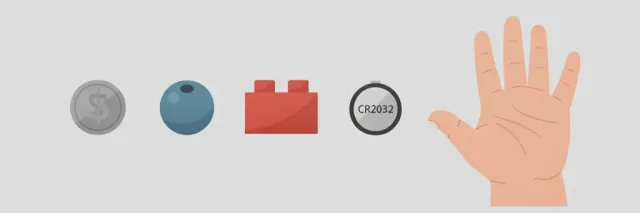
Toy injury requiring ER (child)

What are the odds of a child needing an ER visit for a toy-related injury?
kids

Play swing & slide injury

What are the odds of a child being injured by common play activities like arm-swinging or going down a slide together?

kids

Co-sleeping death

What are the odds of an infant dying from co-sleeping or bed-sharing?

Compare to:

The WHO/UNICEF/UNFPA/World Bank joint estimation for 2023 puts the maternal mortality ratio in Sub-Saharan Africa at roughly 540 per 100,000 live births — about 54 times the high-income-country average of 10. Compounded across the region’s fertility rate of ~4.5 births per woman and adjusted for competing causes of death, that yields a lifetime risk of about 1 in 55 for a 15-year-old girl, or roughly 33 times the US figure and 360 times the Nordic floor. Sub-Saharan Africa accounts for about 70% of the world’s 260,000 annual maternal deaths despite holding roughly 14% of the global population. The region has achieved a ~50% reduction in MMR since 2000, but this is well short of the SDG 2030 target of fewer than 70 deaths per 100,000 live births.

The inequality is the story. A woman in Chad or South Sudan faces a lifetime maternal death risk near 1 in 24; a woman in Norway faces roughly 1 in 20,000. That is a 830-fold gap between two human beings undergoing the same biological process. The proximate causes — haemorrhage, hypertensive disorders, sepsis, obstructed labour, unsafe abortion — are medically preventable with interventions that have been available for decades. What varies is not obstetric knowledge but delivery infrastructure: skilled birth attendants are present at fewer than half of deliveries in several SSA countries, emergency C-section capability is absent from most rural facilities, and blood transfusion services are chronically undersupplied. HIV co-infection, which raises per-birth mortality by roughly 1.8x in untreated women, adds a layer that is largely absent from the wealthy-country equation.

The regional average masks enormous within-SSA variation. South Africa (MMR ~80-120) is functionally a different risk environment from Chad (MMR >1,000). Urban women with hospital access face roughly half the risk of rural women without skilled attendants. Nigeria contributes the largest absolute number of SSA maternal deaths despite not having the highest MMR, simply because of population size. The MMEIG estimates are modelled from incomplete civil-registration data and carry ±20-30% uncertainty at the country level, so the 1-in-55 figure should be read as a plausible order of magnitude rather than a precise forecast.

Claim ledger

Every number below is what each source reported, with the verbatim quote we relied on and how we arrived at our figure. Click any link to verify directly.

  1. [1] World Health Organization — Maternal mortality — Fact Sheet
    Maternal mortality — Fact Sheet

    See all 2 Likelier entries citing this source →

    Statistic
    260,000 maternal deaths globally in 2023; Sub-Saharan Africa accounted for ~70% (182,000); lifetime risk 1 in 66 in low-income countries vs 1 in 7,933 in high-income countries
    Excerpt
    “"About 260 000 women died during and following pregnancy and childbirth in 2023. [...] Sub-Saharan Africa alone accounted for around 70% of maternal deaths (182 000). [...] In high income countries, this is 1 in 7,933, versus 1 in 66 in low-income countries." ”
    Source data from
    2024-04-26
    Accessed
    2026-04-18 · archived copy
    Calculation
    The WHO fact sheet is the public-facing summary of the joint WHO/UNICEF/UNFPA/World Bank/UNDESA Trends in Maternal Mortality 2000-2023 report. It confirms SSA's 70% share of global maternal deaths (182,000 of 260,000) and the low-income-country lifetime risk of 1 in 66. The SSA-specific lifetime risk of 1 in 55 comes from the companion World Bank SH.MMR.RISK data series, which is more granular than the income-group aggregation in the WHO fact sheet. The MMR for SSA (~540 per 100,000 live births) is derived from the MMEIG modelled estimates and is roughly 54x the high-income-country average of ~10.
    Independence
    WHO fact sheet and World Bank SH.MMR.RISK are both outputs of the UN MMEIG. They are branches of the same model run, not independent estimates.
  2. [2] World Bank — World Development Indicators (SH.MMR.RISK) — Lifetime risk of maternal death (1 in: rate varies by country) — Sub-Saharan Africa
    Lifetime risk of maternal death (1 in: rate varies by country) — Sub-Saharan Africa
    Statistic
    Sub-Saharan Africa lifetime risk of maternal death: 1 in 55 (2023)
    Excerpt
    “"Life time risk of maternal death is the probability that a 15-year-old female will die eventually from a maternal cause assuming that current levels of fertility and mortality (including maternal mortality) do not change in the future, taking into account competing causes of death." ”
    Source data from
    2024-04-04
    Accessed
    2026-04-18 · archived copy
    Calculation
    The World Bank SH.MMR.RISK indicator for Sub-Saharan Africa in 2023 reads 1 in 55, or 0.01818. This is the scope anchor for the normalized figure. The indicator compounds the per-birth MMR across the region's total fertility rate (~4.5) and adjusts for competing causes of death over a reproductive lifetime. The 2000 value was roughly 1 in 27 (a ~50% improvement to 2023), but the SDG 2030 target of MMR below 70 per 100,000 live births globally remains far out of reach for the region.
    Independence
    Derivative of the same MMEIG 2023 estimation cycle as the WHO fact sheet. Not independent.
  3. [3] US Centers for Disease Control and Prevention — National Center for Health Statistics — Maternal Mortality Rates in the United States, 2022
    Maternal Mortality Rates in the United States, 2022

    See all 2 Likelier entries citing this source →

    Statistic
    US maternal mortality rate 22.3 per 100,000 live births in 2022, implying US lifetime risk ~1 in 1,800
    Excerpt
    “"The maternal mortality rate for 2022 decreased to 22.3 deaths per 100 000 live births, compared with a rate of 32.9 in 2021." ”
    Source data from
    2024-05-02
    Accessed
    2026-04-18 · archived copy
    Calculation
    The US figure (22.3 per 100,000 live births, lifetime risk ~1 in 1,800) is included as the comparison anchor. The SSA/US ratio is roughly 540/22.3 ≈ 24x on MMR, and roughly 33x on lifetime risk (1 in 55 vs 1 in 1,800), the difference reflecting SSA's higher total fertility rate which compounds the per-birth risk over more pregnancies. This CDC source is methodologically independent of the MMEIG: it uses US vital statistics death-certificate data (ICD-10 O00-O95, O98-O99) rather than modelled estimates.
    Independence
    Independent of the WHO/MMEIG estimates. CDC NCHS uses US vital statistics, providing genuine cross-validation for the US comparison point.

412 risks with measured probability
1 in 10 1 in 100 1 in 1K 1 in 10K 1 in 100K 1 in 1M 1 in 10M 1 in 100M 1 in 1B certain rarer → Cosmetic surgery abroad risk — 1 in 10 Infant sugar/salt and adult disease — 1 in 10 Endometriosis — 1 in 10 Hair transplant Turkey risk — 1 in 10 Knee replacement — 1 in 10 Chronic painkillers — 1 in 10 Elderly abandonment — 1 in 9.1 Complete tooth loss — 1 in 9.1 Alzheimer's — 1 in 8.3 Sleep deprivation — 1 in 8.3 Smokeless tobacco — 1 in 8.3 Cycling w/o helmet — 1 in 8.0 Bruxism tooth damage — 1 in 7.7 Vision loss — 1 in 6.7 Hernia from lifting — 1 in 6.7 Hip fracture risk — 1 in 6.7 Regular drinking — 1 in 6.7 First heart attack — 1 in 5.9 Infertility — 1 in 5.7 5+ years paid LTC — 1 in 5.6 CTE (football) — 1 in 5.0 Major depression — 1 in 4.9 Hiking injury — 1 in 4.8 Infection from sharing food with child — 1 in 4.2 Lyme disease — 1 in 4.0 Loneliness & health — 1 in 3.8 Job loss & depression — 1 in 3.7 Inheriting AUD risk — 1 in 3.5 Alcohol use disorder — 1 in 3.4 Menopause CV risk acceleration — 1 in 3.0 Silent diabetes — 1 in 3.0 Flying with cold — 1 in 2.9 Tick illness (forest) — 1 in 2.9 Silent high cholesterol — 1 in 2.9 Grandparent loss in childhood — 1 in 2.8 Pacifier floor drop — 1 in 2.8 Drug-resistant infection — 1 in 2.6 No marrow match — 1 in 2.4 Nursing home admission — 1 in 2.2 Skipping dental checkups — 1 in 2.1 False-positive mammogram — 1 in 2.0 Regular smoking — 1 in 2.0 Travelers' diarrhea — 1 in 2.0 Adventure sports — 1 in 1.8 Family caregiver probability — 1 in 1.8 LTC need after 65 — 1 in 1.8 Widowhood probability — 1 in 1.7 Unprotected sex — 1 in 1.5 Silent hypertension — 1 in 1.3 Chronic back pain — 1 in 1.3 Hand hygiene — 1 in 1.0 Cancer (any) — 1 in 7.1 E-scooter no helmet — 1 in 4.5 E-bike no helmet — 1 in 4.0 Mishandled luggage — 1 in 3.7 Deer collision — 1 in 2.7 At-fault injury crash — 1 in 2.5 Flight cancellation — 1 in 1.8 Trip disruption: war or disaster — 1 in 1.7 Home burglary (global) — 1 in 9.1 Hitchhiking assault — 1 in 8.8 Mail check fraud — 1 in 7.7 Child sexual abuse — 1 in 6.8 Stalking — 1 in 6.2 Student sexual assault — 1 in 5.7 Domestic violence — 1 in 3.7 Night walk assault — 1 in 3.6 Bicycle theft — 1 in 2.9 Sexual assault — 1 in 2.9 Home burglary — 1 in 2.6 Sexual harassment (lifetime) — 1 in 1.6 Water scarcity — 1 in 2.5 Carrington-class solar storm — 1 in 1.9 WAIS tipping point — 1 in 1.1 Indoor cat escape harm — 1 in 10 Off-leash dog bite — 1 in 8.9 Rabbit dies in 4 years — 1 in 3.3 Dog bite (non-fatal) — 1 in 1.8 Hamster dies before teenager — 1 in 1.0 Vitamin D gap — 1 in 2.9 Undercooked food — 1 in 1.6 Raw meat cross-contamination — 1 in 1.4 Food left out — 1 in 1.2 AI voice scam — 1 in 2.9 Online scam loss — 1 in 2.5 Teen cyberbullying — 1 in 2.0 Kids & explicit content — 1 in 1.9 Data breach — 1 in 1.1 Miscarriage — 1 in 6.7 Teen suicide attempt — 1 in 5.6 Postpartum depression — 1 in 4.8 Painkiller before infant vaccination — 1 in 3.8 Excessive pregnancy weight — 1 in 2.6 Unvaxxed child & measles — 1 in 2.0 Elder fraud loss — 1 in 10 Pension fund collapse — 1 in 10 Personal bankruptcy — 1 in 10 Housing crash — 1 in 8.3 Crypto total loss — 1 in 6.7 IRS audit — 1 in 6.7 Visa overstay deportation — 1 in 5.6 Long term disability working age — 1 in 4.0 Student loan default — 1 in 3.8 Whistleblower retaliation — 1 in 3.2 Career obsolescence — 1 in 2.9 Forced job exit before retirement — 1 in 2.9 Retirement shortfall — 1 in 2.6 Divorce — 1 in 2.4 Burst pipe damage — 1 in 2.2 Workplace bullying — 1 in 2.1 Deportation (undocumented) — 1 in 1.8 Funeral cost shock — 1 in 1.8 Identity theft — 1 in 1.7 Credit card fraud — 1 in 1.5 School bullying — 1 in 1.5 Insurance claim denial — 1 in 1.4 Frontline soldier casualty — 1 in 1.3 Economic recession — 1 in 1.0 Stock market crash — 1 in 1.0 Hail roof damage — 1 in 3.0 Dry toilet paper harm — 1 in 100 Secondhand smoke — 1 in 91 Gaming disorder (adults) — 1 in 83 High-heel ER visit — 1 in 79 Child throwing object — 1 in 67 Medication reaction — 1 in 58 Cat litter toxoplasmosis — 1 in 48 Mental health LTD claim — 1 in 45 Drug overdose — 1 in 42 Benzo dependence — 1 in 40 Tap water lead — 1 in 40 Medication misuse — 1 in 35 Traumatic brain injury — 1 in 33 Hospital infection — 1 in 31 Air pollution — 1 in 29 End-stage kidney disease — 1 in 29 Traveler's diarrhea (water) — 1 in 26 Skiing injury — 1 in 26 Bipolar disorder — 1 in 23 Dental tourism complication — 1 in 20 Pet parasites — 1 in 20 Undiagnosed ADHD — 1 in 20 Adult-onset food allergy — 1 in 19 Indoor cooking smoke — 1 in 18 Non-Alzheimer's dementia — 1 in 17 Working-age disabling stroke — 1 in 17 Cannabis use disorder — 1 in 16 Stroke — 1 in 15 Parent death/disability — 1 in 14 Severe hearing loss — 1 in 14 Type 2 diabetes — 1 in 13 Appendicitis — 1 in 13 Untreated depression — 1 in 13 Untreated back pain disability — 1 in 13 Heart disease — 1 in 12 Medical error death — 1 in 12 Compulsive sexual behavior — 1 in 12 Eating disorder — 1 in 11 Hip replacement — 1 in 11 Kidney stones — 1 in 11 Sedentary lifestyle — 1 in 11 Salon infection — 1 in 11 Ovarian cancer — 1 in 91 Colorectal cancer — 1 in 77 Breast cancer — 1 in 59 Liver cancer — 1 in 59 Lung cancer — 1 in 56 Prostate cancer — 1 in 50 Melanoma (UV) — 1 in 29 Low-fiber CRC risk — 1 in 23 Red meat & CRC — 1 in 21 Charred meat & cancer — 1 in 20 Maintenance crash — 1 in 83 Driving on sedating meds — 1 in 77 Texting + driving — 1 in 56 Driving after cannabis — 1 in 53 Eating while driving — 1 in 53 Unbelted crash death — 1 in 53 Speeding 20% over limit — 1 in 48 Motorcycle no helmet — 1 in 45 Spaceflight (astronaut) — 1 in 42 Video watching + driving — 1 in 32 Drowsy driving — 1 in 26 E-scooter injury — 1 in 26 Cruise ship norovirus — 1 in 24 Driving at 0.10% BAC — 1 in 16 Catalytic converter theft — 1 in 83 Pickpocketed while traveling — 1 in 38 Stabbed in an assault — 1 in 37 Vehicle theft — 1 in 34 Street robbery / mugging — 1 in 26 Wrongful conviction — 1 in 24 Drink spiking — 1 in 17 Protest under autocracy — 1 in 12 AMOC collapse — 1 in 20 Sting anaphylaxis — 1 in 50 Cat collar injury — 1 in 25 Fish bone injury — 1 in 68 Restaurant food poisoning — 1 in 58 Vegetarian deficiency — 1 in 25 Intimate deepfake — 1 in 25 Social media problematic use — 1 in 13 Infant fall — 1 in 100 Childbirth death (SSA) — 1 in 55 Co-sleeping death — 1 in 43 Toddler stair fall — 1 in 37 Play swing & slide injury — 1 in 33 Autism diagnosis — 1 in 31 C-section complications — 1 in 29 Toy injury requiring ER (child) — 1 in 21 Preeclampsia — 1 in 20 Severe birth tearing — 1 in 17 Gestational diabetes — 1 in 13 Child fall head injury — 1 in 12 Sports betting financial ruin — 1 in 100 Fighter pilot death — 1 in 48 Commercial fishing career death — 1 in 45 Logging career death — 1 in 34 Dying without heir — 1 in 33 Medical bankruptcy — 1 in 25 Compulsive buying disorder — 1 in 20 Rental listing scam loss — 1 in 20 Mortgage foreclosure — 1 in 14 Musculoskeletal LTD claim — 1 in 14 Day-trading losses — 1 in 13 Extremist govt catastrophe — 1 in 13 Hurricane home destruction — 1 in 17 LASIK complications — 1 in 1,000 Infant pool submersion — 1 in 800 MS — 1 in 769 Workplace fatality — 1 in 690 Typhoid fever — 1 in 654 Unsafe imported products — 1 in 565 Brain aneurysm — 1 in 400 COVID-19 — 1 in 400 Fireworks injury — 1 in 385 Sickle cell disease — 1 in 365 Counterfeit medicine — 1 in 361 Spinal cord injury — 1 in 313 Childhood cancer diagnosis — 1 in 285 Next pandemic death — 1 in 208 Dengue (travel) — 1 in 200 Skipping daily showers — 1 in 200 Not scrubbing feet — 1 in 200 Marrow donation risk — 1 in 167 Schizophrenia — 1 in 143 Accidental fall — 1 in 135 Parkinson's — 1 in 125 Sudden death during exercise — 1 in 123 Suicide (US) — 1 in 121 Opioid addiction — 1 in 114 Tuberculosis (global) — 1 in 108 Radon cancer — 1 in 435 Testicular cancer — 1 in 250 Cervical cancer — 1 in 167 Pancreatic cancer — 1 in 125 Pedestrian death — 1 in 806 Motorcycle crash — 1 in 694 Boating drowning — 1 in 685 Driver kills pedestrian — 1 in 552 Phone-distracted walking injury — 1 in 400 EV battery fire — 1 in 333 Cyclist killed by car — 1 in 196 Hand-held phone call + driving — 1 in 143 Petrol car fire — 1 in 125 Self-driving car fatality — 1 in 115 Car crash — 1 in 105 Firefighter duty death — 1 in 455 Police duty death — 1 in 313 Homicide — 1 in 287 Pig-butchering scam — 1 in 106 Extreme heat — 1 in 333 Climate change death — 1 in 204 Swallowed bee/wasp — 1 in 500 Bat bite & rabies — 1 in 238 Mosquito-borne disease — 1 in 190 Food poisoning (global) — 1 in 317 Solar panel fire — 1 in 667 Untreated childhood scoliosis — 1 in 1,000 Child window fall — 1 in 855 Walker stair fall — 1 in 625 Baby walker injury — 1 in 455 Maternal mortality — 1 in 272 Untreated childhood flat feet — 1 in 250 Maternal age & birth defects — 1 in 200 Child death (<18) — 1 in 143 Caving career death — 1 in 167 EMS duty death — 1 in 794 Civilian war casualty — 1 in 499 Soldier in combat — 1 in 270 Mining career death — 1 in 214 Gambling financial ruin — 1 in 159 Wildfire home destruction — 1 in 120 Lightning home fire — 1 in 105 Malaria (travel) — 1 in 10,000 Infection from shared drink — 1 in 10,000 Chagas disease — 1 in 8,475 Wild berry fox tapeworm — 1 in 8,475 Schistosomiasis death — 1 in 6,667 Sudden death (young adult) — 1 in 3,922 Unsafe wiring — 1 in 3,390 Sepsis from wound — 1 in 2,857 Anesthesia awareness — 1 in 2,500 Heat stroke (outdoor) — 1 in 1,905 House fire — 1 in 1,818 Rabies from dogs — 1 in 1,449 Drowning — 1 in 1,379 Shallow-water diving SCI — 1 in 1,111 Choking — 1 in 1,099 EVALI vaping hospitalization — 1 in 1,064 Betel nut cancer — 1 in 1,290 Blood clot (flight) — 1 in 4,651 Killing a cyclist — 1 in 3,937 Teen road-crash death — 1 in 3,030 Child rear bike seat — 1 in 2,500 Child without restraint — 1 in 2,000 Fatal police encounter — 1 in 4,739 Honor killing — 1 in 2,381 Intimate-partner homicide — 1 in 1,767 Hurricane — 1 in 8,929 Drought famine death — 1 in 6,536 Blizzard death — 1 in 4,367 Earthquake — 1 in 3,802 Dog chocolate death — 1 in 2,000 Food poisoning (US) — 1 in 1,862 Fish mercury — 1 in 1,695 Phone/laptop battery fire — 1 in 1,136 SIDS — 1 in 7,143 Laundry pod ingestion — 1 in 6,494 Untreated infant hip dysplasia — 1 in 5,000 Pool drowning — 1 in 2,299 War (civilian) — 1 in 2,000 Fatal bee/wasp sting — 1 in 76,923 Anesthesia death — 1 in 50,000 Dog hot car death — 1 in 41,667 Anaphylaxis — 1 in 27,548 Chiropractic neck manipulation — 1 in 16,667 CO poisoning — 1 in 14,006 Hepatitis A (travel) — 1 in 12,500 Skipping allergy immunotherapy — 1 in 11,111 Acrylamide & cancer — 1 in 16,667 Bus crash — 1 in 100,000 Plane crash — 1 in 58,824 Child pedestrian (residential) — 1 in 45,455 Railroad crossing death — 1 in 20,704 Child bike trailer — 1 in 14,286 Acid attack — 1 in 89,286 Terrorism — 1 in 77,519 Child stranger abduction — 1 in 38,760 Stranger kidnapping — 1 in 35,211 Dowry death — 1 in 13,158 Accidental gun death — 1 in 11,299 Wildfire — 1 in 100,000 Tornado — 1 in 80,645 Tsunami — 1 in 52,632 Ocean drowning — 1 in 29,155 Flood — 1 in 20,202 Landslide death — 1 in 18,416 Supervolcano eruption — 1 in 12,376 Crocodile attack — 1 in 84,746 Bee sting — 1 in 78,927 Fatal scorpion sting — 1 in 26,110 Plastic container leaching — 1 in 16,949 Infant in car seat — 1 in 64,935 Bouncer chair fall — 1 in 60,606 Toddler choking — 1 in 50,000 Unsupervised infant choking — 1 in 50,000 Magnet ingestion — 1 in 12,048 Snorkeling death — 1 in 21,739 Pet in transport — 1 in 20,000 Landmine or UXO injury — 1 in 14,728 Vaccine reaction — 1 in 763,359 Aluminum & Alzheimer's — 1 in 169,492 Residential gas leak — 1 in 140,845 Child hot car death — 1 in 102,041 Glyphosate & cancer — 1 in 1,000,000 Teflon cookware cancer — 1 in 169,492 Roller coaster injury — 1 in 312,500 Cruise ship accident — 1 in 188,679 Ferry sinking — 1 in 133,333 Turbulence injury — 1 in 114,943 School shooting — 1 in 192,308 Mass shooting — 1 in 113,636 Nuclear accident — 1 in 833,333 Avalanche — 1 in 210,526 Lightning — 1 in 209,205 Snake bite — 1 in 884,956 Spider bite — 1 in 833,333 Hippo attack — 1 in 564,972 Dog bite — 1 in 142,045 Pesticide residue — 1 in 1,000,000 Dirty can illness — 1 in 200,000 PLA bioplastic harm — 1 in 169,492 Charger left plugged in — 1 in 200,000 Infant swing death — 1 in 714,286 Child blind cord strangulation — 1 in 416,667 Child plastic bag suffocation — 1 in 263,158 Button battery — 1 in 250,000 Inclined sleeper death — 1 in 238,095 Elevator/escalator death — 1 in 188,324 Japanese encephalitis (travel) — 1 in 2,000,000 Kid + front airbag — 1 in 10,000,000 Asteroid impact — 1 in 1,351,351 Banana spider eggs — 1 in 10,000,000 Shark attack — 1 in 5,681,818 Bear attack — 1 in 3,787,879 Wild berry poisoning — 1 in 2,222,222 Space debris hits property — 1 in 10,000,000 Piranha attack — 1 in 135,135,135 Phone at gas pump — 1 in 1,000,000,000 Phone on plane — 1 in 1,000,000,000 Alien contact — 1 in 169,491,525
Lottery jackpot 1 in 95,238