Evidence quality 4.25/5
Eight-dimension review score against the quality rubric . Each dimension scored 1–5.
- D1 Source grounding
- 4/5
- D2 Source authority
- 5/5
- D3 Arithmetic
- 3/5
- D4 Uncertainty
- 4/5
- D5 Scope
- 4/5
- D6 Prose
- 5/5
- D7 Perception honesty
- 4/5
- D8 Caveat completeness
- 5/5
● your factors — click this risk ▾ to reveal
- Your factors
≈ As likely as
Perceived
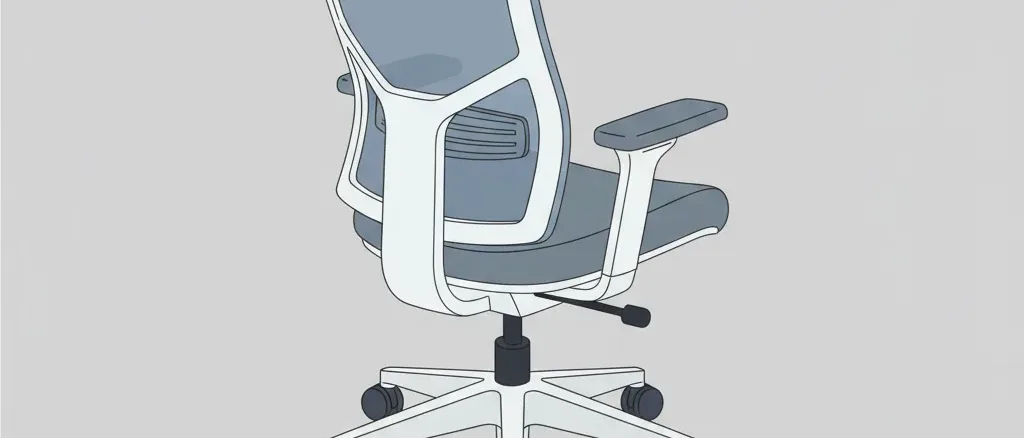
Physical inactivity is the fourth leading risk factor for global mortality according to the WHO, responsible for roughly 4-5 million deaths per year worldwide. Almost nobody is afraid of it. It does not appear in fear surveys, it does not feature in disaster films, and it occupies no cultural space as a threat. "I should exercise more" is filed under minor self-improvement, somewhere between "I should floss" and "I should learn a language," not under mortality risk management. People spend mental energy worrying about plane crashes, shark attacks, and terrorism while sitting 10+ hours a day without registering it as a risk at all. The result is one of the largest perception gaps on this site, running in the underrated direction.
Rough estimate: Most adults sense inactivity is unhealthy but do not classify it as a serious mortality risk
Source: editorial intuition, not polled
Actual
HR 1.59 for most sedentary + least active vs least sedentary + most active (all-cause mortality)
adults sitting >8 h/day with <2.5 MET-h/week physical activity vs those sitting <4 h/day with >35.5 MET-h/week
Show derivation
The headline figure draws on two converging lines of evidence. (1) Lee et al. 2012 (Lancet) estimated that physical inactivity causes 9% of premature mortality worldwide (range 5.1-12.5%), corresponding to more than 5.3 million of the 57 million deaths in 2008. Applied to the US adult population: approximately 3.4 million US deaths per year, 9% = ~306,000 deaths attributable to inactivity per year. Against ~258 million US adults, that yields an annual hazard of ~306,000/258,000,000 = 0.00119. Compounded over 59 years of remaining adult life: 1 - (1 - 0.00119)^59 = 0.068. However, this is a population-average PAF that includes already-active adults who contribute zero to the numerator. (2) Ekelund et al. 2016 (Lancet, 1,005,791 participants) found that adults sitting >8 h/day with the lowest physical activity (<2.5 MET-h/week) had HR 1.59 (95% CI 1.52-1.66) for all-cause mortality compared to the most active + least sedentary reference group. For the ~25% of US adults who are completely inactive (CDC 2024), the excess lifetime mortality risk from inactivity is substantially higher than the population average. We use 0.09 as the point estimate, reflecting the population-level PAF (Lee 2012) adjusted slightly upward from the raw compounding because CDC data show only 26.4% of US adults meet both aerobic and strength guidelines, meaning the majority carry some inactivity-attributable risk. Uncertainty range 0.05-0.13 spans the Lee et al. PAF confidence interval (5.1-12.5%) applied to US mortality.
Caveats: "Sedentary lifestyle" is not a discrete exposure like smoking a pack a day — it …
"Sedentary lifestyle" is not a discrete exposure like smoking a pack a day — it is a gradient spanning zero movement to not-quite-enough movement to guideline-meeting to highly active, with the dose-response curve steeply non-linear at the low end. This makes a single population-level number inherently lossy. The 9% PAF from Lee et al. 2012 is a global average; the US-specific figure may differ given higher obesity prevalence and more sedentary occupational patterns. Confounding is the persistent challenge: people who do not exercise tend to have lower socioeconomic status, higher rates of smoking, poorer diets, and more chronic illness. The meta-analyses adjust for these factors but residual confounding cannot be fully excluded from observational data. The "sitting is the new smoking" comparison, while catchy, is misleading at the individual level: smoking carries a relative risk of ~15-20x for lung cancer, while sedentary behavior carries ~1.2-1.6x for all-cause mortality. The comparison works for population attributable fraction (both kill millions) but not for individual risk magnitude. Finally, all-cause mortality includes deaths that exercise would not have prevented — the attributable fraction isolates the excess, but the boundary between "would have died anyway" and "died because inactive" is an epidemiological construct, not a clinical certainty.
How the risk varies
The headline figure averages across very different situations. Here’s how the probability varies by scenario or context:
1 in 7.7 · 13%
Highest-risk group. Ekelund HR 1.59 applies most directly here. ~25% of US adults.
1 in 14 · 7.0%
Arem et al.: even sub-guideline activity yields HR 0.80 vs inactive. Partial protection.
1 in 50 · 2.0%
Baseline — excess mortality attributable to inactivity approaches zero. Arem HR 0.69 vs inactive.
1 in 100 · 1.0%
Maximum benefit range. Arem: no excess risk, slight additional benefit over 1x guidelines. Diminishing returns.
Bar length and shade rank these scenarios against each other, not against other risks. The exact odds are shown beside each.
Related risks
Other risks on similar themes — for exploring related fears.

Sleep deprivation
How much does regularly sleeping less than six hours raise the risk of early death?

Loneliness & health
What are the odds of chronic loneliness causing serious health harm over a lifetime?

Smokeless tobacco
What are the odds of dying from a smokeless-tobacco-related disease as a regular user?




Pick challenger
The largest study on the subject is Ekelund et al. 2016, a harmonised meta-analysis of over one million men and women from 16 prospective cohorts, published in The Lancet. The headline: adults who sit more than eight hours per day and fall in the lowest quartile of physical activity (under 2.5 MET-hours/week, roughly zero deliberate exercise) face an all-cause mortality hazard ratio of 1.59 (95% CI 1.52-1.66) compared to those who sit less than four hours per day and exercise in the highest quartile. But the same study delivers the antidote: 60-75 minutes per day of moderate activity (brisk walking pace) reduces the hazard ratio to 1.04, statistically indistinguishable from the reference group. At the population level, Lee et al. 2012 estimated that physical inactivity causes 9% of premature mortality worldwide, or more than 5.3 million deaths per year. The WHO ranks it fourth among global mortality risk factors, behind high blood pressure, tobacco, and high blood glucose. Only 26.4% of US adults meet both aerobic and muscle-strengthening guidelines (CDC, 2024); roughly one in four does essentially nothing.
The perception gap here is enormous and runs in an unusual direction. People allocate worry to plane crashes, shark attacks, and terrorist attacks — each an individually vanishingly rare cause of death — while spending ten-plus hours a day in a chair without registering it as a mortality input at all. The phrase “sitting is the new smoking” circulates as a vague wellness slogan, but the underlying comparison is instructive in what it gets right and wrong. At the population level, both inactivity and tobacco kill millions: Lee et al.’s 9% global PAF for inactivity sits in the same single-digit range as the WHO’s estimate that tobacco use accounts for 9% of global deaths. At the individual level, the analogy collapses: smoking carries a relative risk of 15-20x for lung cancer, while the most sedentary-and-inactive group in the Ekelund data carries 1.59x for all-cause mortality. The gap between “similar population body count” and “very different individual hazard ratio” is the interesting part.
The dose-response curve is sharply non-linear in the helpful direction, which is where the number stops applying uniformly. Arem et al. 2015, pooling 661,137 participants, found that going from zero leisure-time activity to any amount below the guidelines buys a 20% mortality reduction (HR 0.80, 95% CI 0.78-0.82). Meeting the guidelines (150 min/week moderate) yields 31% reduction. Going from one to two times the guidelines adds a smaller increment, and maximum benefit plateaus at three to five times the guidelines. This means the entry is most relevant to the ~25% of US adults who do essentially nothing, where even 15 minutes of daily walking would capture most of the available mortality benefit. It is least relevant to the anxious gym-goer who sits at a desk eight hours but exercises regularly, for whom the Ekelund data show the excess risk is already near zero.
Related tidbits
Sedentary behavior accounts for ~9% of premature deaths globally. The odds of dying in a plane crash are about 1 in 11 million per flight. Your desk chair is statistically more dangerous than your seat on the plane.
A sedentary lifestyle raises premature death risk by 59% (HR 1.59). Chronic sleep deprivation adds 12% (HR 1.12). Your desk chair is a bigger threat than your bad night's sleep.
Physical inactivity is the 4th leading risk factor for global mortality, responsible for 9% of premature deaths. It ranks above obesity. The WHO lists it alongside tobacco, alcohol, and hypertension.
Claim ledger
Every number below is what each source reported, with the verbatim quote we relied on and how we arrived at our figure. Click any link to verify directly.
2/5 sources independently verified verbatim against the cited source
-
[1] The Lancet (Ekelund, Steene-Johannessen, Brown, Fagerland, Owen, Powell, Bauman, Lee) — Does physical activity attenuate, or even eliminate, the detrimental association of sitting time with mortality? A harmonised meta-analysis of data from more than 1 million men and women
Does physical activity attenuate, or even eliminate, the detrimental association of sitting time with mortality? A harmonised meta-analysis of data from more than 1 million men and women- Statistic
HR 1.59 (95% CI 1.52-1.66) for all-cause mortality in most sedentary + least active quartile; 60-75 min/day moderate activity eliminates excess sitting risk; 1,005,791 participants, 84,609 deaths- Excerpt
“"High levels of moderate intensity physical activity (ie, about 60-75 min per day) seem to eliminate the increased risk of death associated with high sitting time. However, this high activity level attenuated, but did not eliminate the increased risk associated with high TV-viewing time." ”
- Source data from
- 2016-07-28
- Accessed
- 2026-04-19 · archived copy
- Calculation
- Ekelund et al. harmonised individual-level data from 16 prospective cohort studies (13 with sitting data, 3 with TV-viewing data). Participants were stratified into quartiles of both sitting time and physical activity. The reference group was the least sedentary + most active quartile (<4 h/day sitting, >35.5 MET-h/week). The highest-risk group (>8 h/day sitting, <2.5 MET-h/week) had HR 1.59. Critically, those sitting >8 h/day but in the most active quartile (>35.5 MET-h/week, roughly 60-75 min/day of moderate activity) had HR 1.04 (95% CI 0.99-1.10), statistically indistinguishable from the reference. This demonstrates that high physical activity can fully offset the mortality risk of prolonged sitting. The HR 1.59 is used as the native display because it captures the worst-case combination most relevant to completely inactive office workers.
-
[2] The Lancet (Lee, Shiroma, Lobelo, Puska, Blair, Katzmarzyk) — Effect of physical inactivity on major non-communicable diseases worldwide: an analysis of burden of disease and life expectancy Verified
Effect of physical inactivity on major non-communicable diseases worldwide: an analysis of burden of disease and life expectancy- Statistic
Physical inactivity causes 9% of premature mortality worldwide (range 5.1-12.5%); 6% of CHD, 7% of type 2 diabetes, 10% of breast cancer, 10% of colon cancer; elimination would increase global life expectancy by 0.68 years (0.41-0.95)- Excerpt
“"We estimated that physical inactivity causes 6% of the burden of disease from coronary heart disease, 7% of type 2 diabetes, 10% of breast cancer, and 10% of colon cancer. Inactivity causes 9% of premature mortality, or more than 5.3 of the 57 million deaths that occurred worldwide in 2008." ”
- Source data from
- 2012-07-21
- Accessed
- 2026-04-19
- Verification
- Excerpt independently re-fetched and confirmed word-for-word against the cited source during our grounding audit.
- Calculation
- Lee et al. computed population attributable fractions (PAFs) by comparing disease incidence in inactive vs active populations across 122 countries. The 9% PAF for premature mortality is the primary basis for the normalized lifetime estimate. Applied to US mortality: ~3.4 million deaths/year x 0.09 = ~306,000 inactivity-attributable deaths per year. Against 258 million US adults, annual hazard = 0.00119. Over 59 years: 1 - (1 - 0.00119)^59 = 0.068. The point estimate of 0.09 is slightly above this raw compounding because only 26.4% of US adults meet both aerobic and strength guidelines (CDC 2024), meaning the US-specific PAF may be at the higher end of Lee's global range.
-
[3] JAMA Internal Medicine (Arem, Moore, Patel, Hartge, de Gonzalez, Visvanathan, et al.) — Leisure Time Physical Activity and Mortality: A Detailed Pooled Analysis of the Dose-Response Relationship
Leisure Time Physical Activity and Mortality: A Detailed Pooled Analysis of the Dose-Response Relationship- Statistic
HR 0.80 (95% CI 0.78-0.82) for those doing less than recommended 7.5 MET-h/week vs none; HR 0.69 (0.67-0.70) at 1-2x guidelines; maximum benefit at 3-5x guidelines- Excerpt
“"Compared to those reporting no leisure-time physical activity, we observed a 20% lower mortality risk among those performing less than the recommended minimum of 7.5 metabolic equivalent hours per week." ”
- Source data from
- 2015-06-01
- Accessed
- 2026-04-19 · archived copy
- Calculation
- Arem et al. pooled six prospective cohort studies with 661,137 participants and 116,686 deaths over a median 14.2 years of follow-up. The key finding for this entry is the steep dose-response at the low end: going from zero activity to sub-guideline activity (less than 150 min/week moderate or 75 min/week vigorous) buys a 20% mortality reduction (HR 0.80). Meeting the guidelines (7.5-15 MET-h/week) yields HR 0.69 (31% reduction). Maximum benefit plateaus at 3-5x guidelines, with no excess risk even at 10x. This non-linear curve means the biggest marginal gain comes from moving off zero, not from optimizing an already-active regimen.
-
[4] CDC National Center for Health Statistics — Aerobic Physical Activity Among Adults Age 18 and Older: United States, 2024
Aerobic Physical Activity Among Adults Age 18 and Older: United States, 2024- Statistic
47.2% of US adults met aerobic guidelines in 2024; 26.4% met both aerobic and muscle-strengthening guidelines; rates vary by sex, disability status, weight status- Excerpt
“"In 2024, 47.2% of adults age 18 and older met the federal guidelines for aerobic physical activity. When broken down by sex, 52.3% of men and 42.4% of women met the standards." ”
- Source data from
- 2025-04-07
- Accessed
- 2026-04-19 · archived copy
- Calculation
- CDC NCHS Data Brief 555 provides the most recent national prevalence data on physical activity. The 26.4% meeting both guidelines means roughly 73.6% of US adults carry some degree of inactivity-attributable risk. The ~25% who are completely inactive (no leisure-time physical activity) are the population most directly described by the Ekelund HR 1.59 estimate. These prevalence figures contextualize the PAF: if three-quarters of US adults fail to meet full guidelines, the population-level mortality burden of inactivity is substantial.
-
[5] World Health Organization — Global Recommendations on Physical Activity for Health Verified
Global Recommendations on Physical Activity for Health- Statistic
Physical inactivity is the fourth leading risk factor for global mortality (6% of deaths globally), following high blood pressure (13%), tobacco use (9%), and high blood glucose (6%)- Excerpt
“"Physical inactivity has been identified as the fourth leading risk factor for global mortality (6% of deaths globally). This follows high blood pressure (13%), tobacco use (9%) and high blood glucose (6%)." ”
- Source data from
- 2010-01-01
- Accessed
- 2026-07-03 · archived copy
- Verification
- Excerpt independently re-fetched and confirmed word-for-word against the cited source during our grounding audit.
- Calculation
- WHO's global risk-factor ranking, cited in the body text to support the "fourth leading risk factor" framing already present in perceived.description. Grounds the specific ranking (behind high blood pressure, tobacco, and high blood glucose) used in the second paragraph of the body prose. Not used in the native/normalized lifetime-probability calculation, which is derived from Lee et al. 2012 and Ekelund et al. 2016 above.