

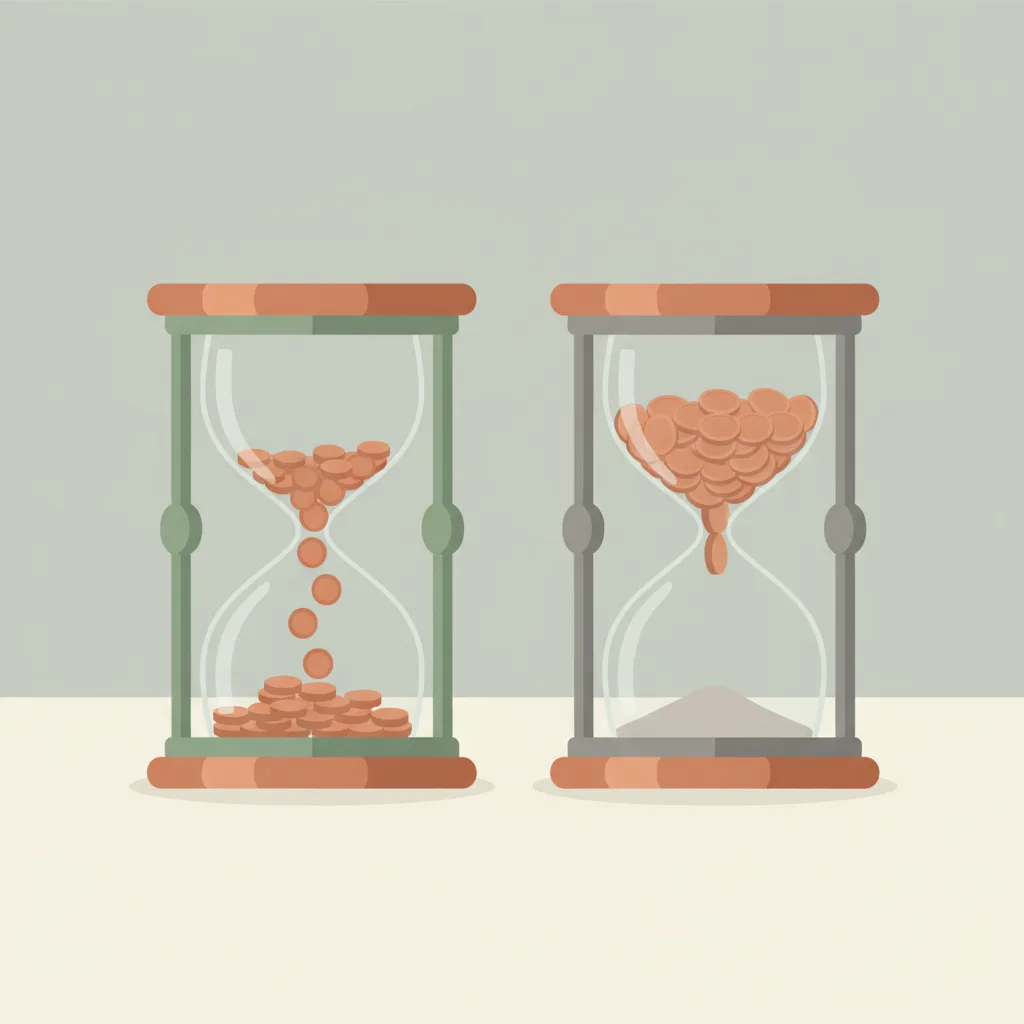
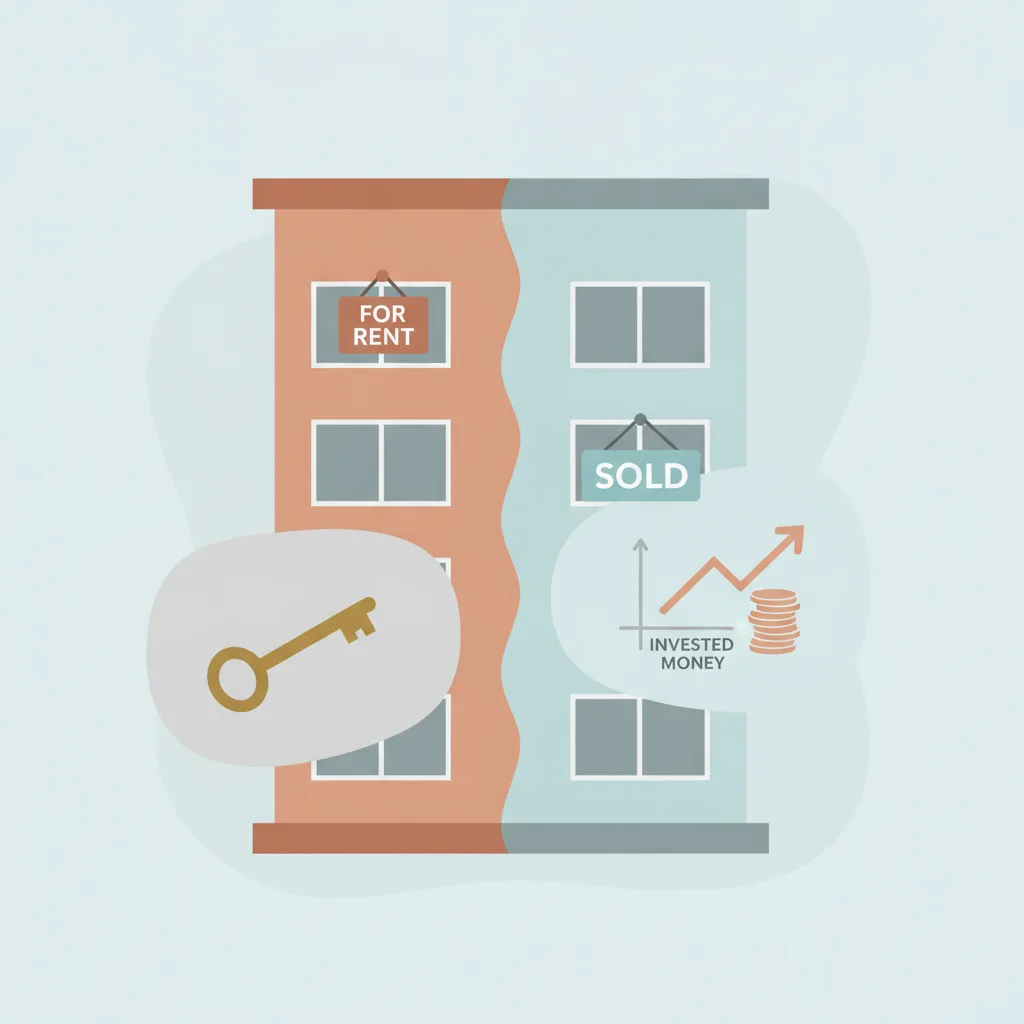

45% of renters wish they had bought instead of renting, according to a Zillow/Ipsos survey of 10,000 adults across 20 major US metros — more than five times the 8% of homeowners who wish they had rented instead. The asymmetry is one of the largest in regret research, a 5.6:1 ratio favoring action over inaction. Bankrate’s separate 2024 survey found that while 47% of homeowners have some regret about their purchase (too small, too expensive, wrong neighborhood), only 8% regret buying rather than renting, confirming that buyer regret is typically about the specific property, not the decision to buy.
The renter-regret figure deserves careful reading. It likely conflates two distinct groups: those who chose to rent and now regret it, and those who wanted to buy but could not afford to. The latter is not a decision regret — it is a circumstance regret, closer to involuntary childlessness than to voluntary choice. Zillow’s breakdown supports this: renters’ top complaints are inability to build equity (52%) and inability to customize (52%), both of which are structural features of renting rather than consequences of a deliberate lifestyle choice.
The Gilovich pattern here — inaction dominates — aligns with the broader temporal theory: not buying a house becomes more painful over time as prices rise and equity accumulates for owners. But this is partly survivorship bias in the data. The survey was conducted during a period of sustained US home-price appreciation. In Japan’s lost decades or US markets post-2008, the ratio would look very different. Housing regret is heavily path-dependent.